
Assessment
6 mins read
Why Cybersecurity Matters More Today
Read Blog

Assessment
7 mins read
Penetration Testing That Finds Real Gaps
Read Blog

Intelligence
8 mins read
Securing AI Before It Secures You
Read Blog



Written by
Published

Vulnerability management is the unglamorous machinery of finding weaknesses, deciding which ones matter, fixing those, and proving they stayed fixed. It is the least exciting discipline in security and reliably the one that would have prevented the breach.
The difficulty is never discovery. A scanner will hand you forty thousand findings by lunchtime. The difficulty is that a team of six cannot patch forty thousand things, and the industry's answer for years — sort by severity score and start at the top — has quietly been wrong.
Severity ratings describe a vulnerability in the abstract. They know nothing about whether the affected system is exposed to the internet, holds sensitive data, or is being actively exploited this week.
Exploitability changes the arithmetic entirely. A medium-severity flaw in an internet-facing VPN appliance with public exploit code is an emergency; a critical-severity flaw in an isolated internal tool with no known exploit can wait for the maintenance window. Context, not score, is what turns a scan result into a decision.
Begin with an asset inventory, because a scan of the systems you know about is a scan of the wrong systems. Enrich every finding with three things the scanner cannot tell you: is it reachable from outside, does it touch sensitive data, and is anyone exploiting it in the wild right now. Set remediation windows by that combined risk rather than by severity label alone, and put an owner — a person, not a queue — on every finding above your threshold. Agree the exception process in advance, and give exceptions expiry dates so they cannot quietly become permanent.
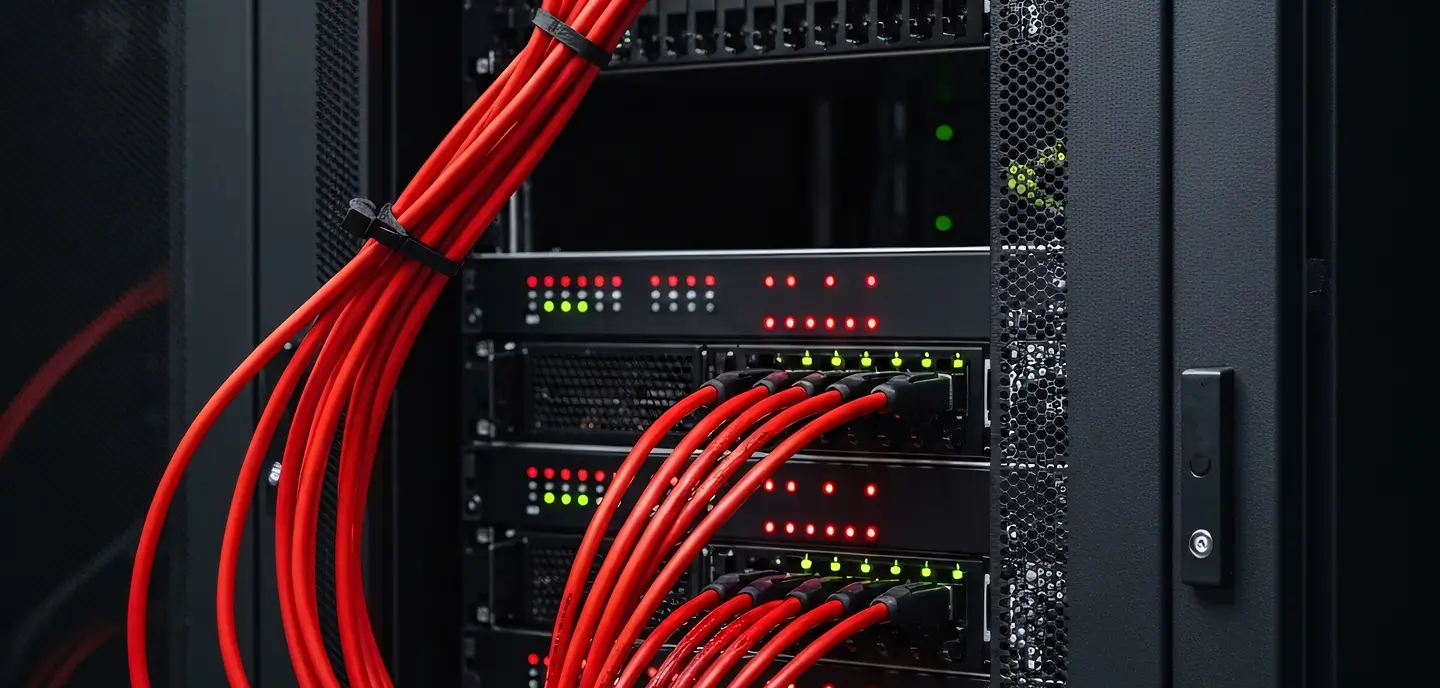
Scanners find the flaws, threat intelligence feeds tell you which are being used, and a software bill of materials tells you where that vulnerable library actually lives — a question that took most organizations days to answer during the last major open-source incident. The strategic move, though, is automation of the fix rather than the finding. A patch pipeline that updates a base image and redeploys three hundred containers overnight beats any prioritization scheme, because the fastest way to win an argument about which vulnerabilities matter is to have already fixed them.
Engineering teams see vulnerability reports as security throwing work over the wall, and a forty-thousand-line spreadsheet confirms the suspicion. Send ten findings that genuinely matter, explain why each one made the list, and watch the response rate change. Report upward on mean time to remediate for exploitable issues rather than total open findings — the first is a measure of capability, the second only of scanner licensing.

Verify that the patch was applied rather than that the ticket was closed — these are different facts, and the gap between them is where the breach lives. Rescan after remediation, and periodically try to exploit a vulnerability you believe you have fixed. Watch for regression, too: a redeployed image built from a stale base will happily reintroduce a flaw you resolved in March.
Nothing destroys the credibility of a security team faster than sending noise, and nothing rebuilds it faster than sending signal. When a developer trusts that anything you flag is genuinely worth their afternoon, patching stops being a negotiation. Make it easy to report a vulnerable dependency, thank the engineer who does, and measure the program by how quickly the things that matter actually get fixed — not by how many findings you managed to produce.
Type
Assessment
Reading time
6 mins read
Share
Join our newsletter and stay updatedon the latest trends in digital design


Assessment
6 mins read
Assessment
7 mins read
Intelligence
8 mins read
Automate tasks, centralize projects, and collaborate in real time — all from one sleek
FREE 14-DAY TRIAL · NO CREDIT CARD